

Quality Begins Long Before Inspection
Discover why quality is not created during inspection, but designed throughout product development, engineering and manufacturing.
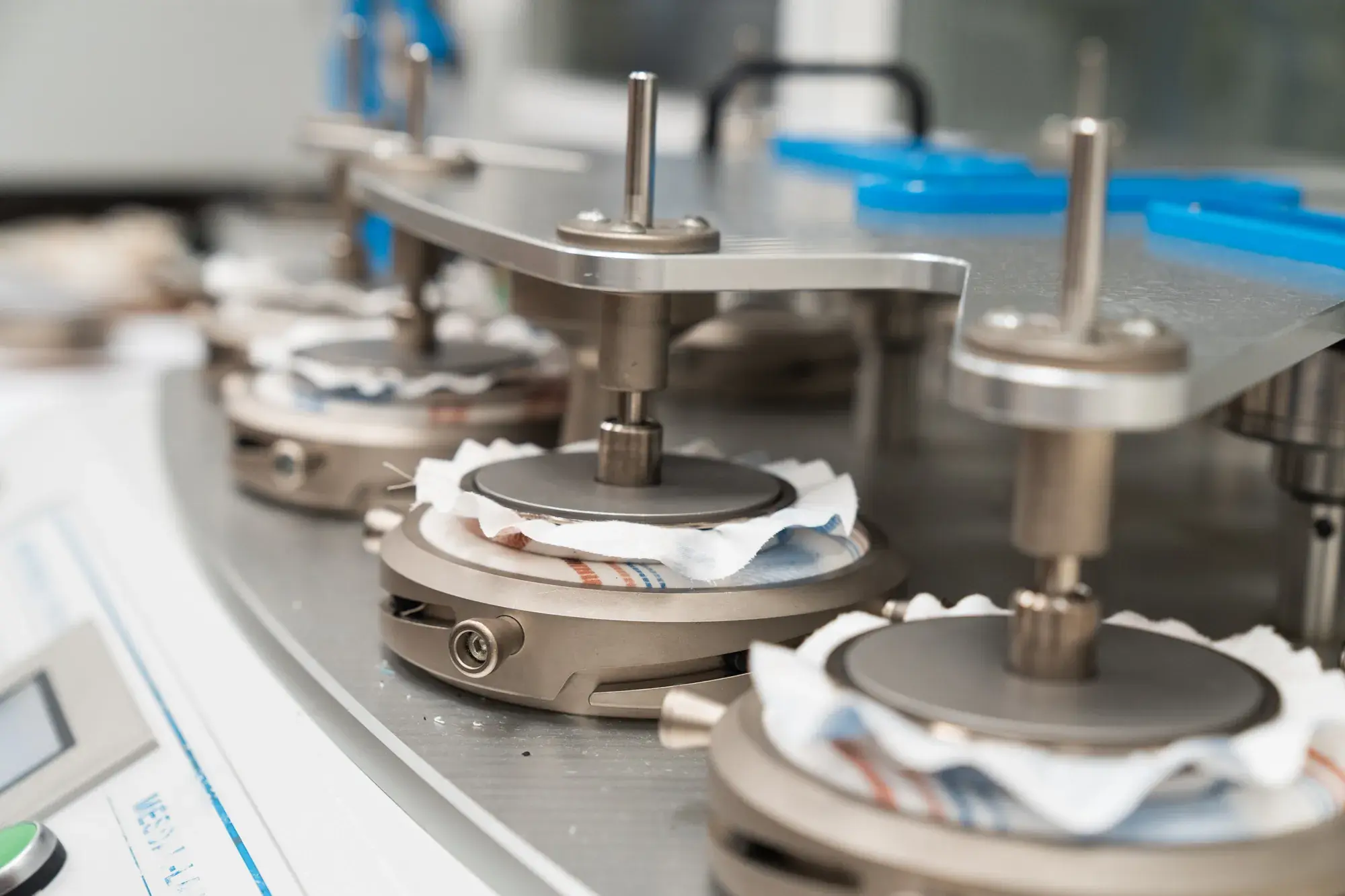
For decades, quality has often been associated with the final stage of manufacturing. Once production was complete, products were inspected, measured, classified and approved. If they met the specification, they were shipped. If they did not, they were rejected.
At first glance, this approach seems logical. Yet it contains a fundamental limitation. Inspection never creates quality. It only confirms whether quality already exists. By the time a defect is identified during final inspection, the decision that caused it has already been made. This is why truly outstanding manufacturers do not focus solely on improving inspection. They focus on improving development.
Quality does not begin on the production floor
Quality is often perceived as an isolated stage. In reality, it accompanies the entire product development journey. It begins with understanding the brief. It continues through material selection, fabric engineering, finishing, sampling, production planning, operator training and equipment maintenance. Every decision contributes to the final outcome. Manufacturing simply brings those decisions to life.
Small decisions create big differences
A fabric may comply with every technical specification and still fail to deliver the expected experience. It may achieve the correct weight while lacking consistency in hand feel. It may meet dimensional requirements but lose stability after repeated laundering. It may pass laboratory testing but fail under real-world conditions.
Quality is therefore much more than compliance. It is the ability to ensure that every characteristic of a product performs together as intended. Outstanding products are never defined by one measurement. They are defined by the consistency of hundreds of decisions.
Consistency builds confidence
Excellent products do not impress only once. They continue to perform across different production runs, markets and years. Consistency creates confidence. For international brands, reproducing exactly the same product every time is just as important as creating it in the first place.
Controlled processes, technical documentation and continuous validation are not administrative exercises. They are the foundations of reliability.
Validation creates better outcomes
Validation is not about questioning work already completed. It is about confirming assumptions before production begins. Every prototype provides valuable information. Every laboratory test reduces uncertainty. Every adjustment prevents future problems. The earlier improvements are made, the greater their impact. Quality grows through continuous validation rather than final inspection alone.
People make quality possible
Processes matter. Systems matter. Technology matters. Yet none of these replaces experience. It is people who interpret results, identify deviations, share knowledge and improve processes. Technology increases efficiency. Expertise improves decisions. Together, they create sustainable quality.
Quality is a culture
There is a significant difference between controlling quality and building a culture of quality. When quality becomes part of an organisation's culture, it no longer belongs only to the quality department. It influences every decision, every discussion, every development project and every improvement initiative. This mindset creates stronger partnerships and more reliable products.
Looking ahead
Markets continue to evolve and customer expectations continue to increase. Quality will remain one of the strongest competitive advantages available to manufacturers — not because inspection becomes stricter, but because development becomes smarter. The future belongs to organisations capable of integrating quality into every stage of the product lifecycle.
Conclusion
Inspection will always remain essential. But it will never be enough. True quality begins much earlier — during development, through technical expertise, thoughtful material selection, continuous validation and collaborative decision-making.
At RIFER, quality is not treated as a final checkpoint. It is the principle that guides every project from the very first conversation to the finished product.